
The year 2024 was a transformative one for Kenya’s real estate sector. Despite economic challenges like inflation and rising interest rates, the market continued to evolve with new technologies, government-backed programs, and innovative development models shaping the landscape.
🏗️ 1. Affordable Housing Gains Momentum
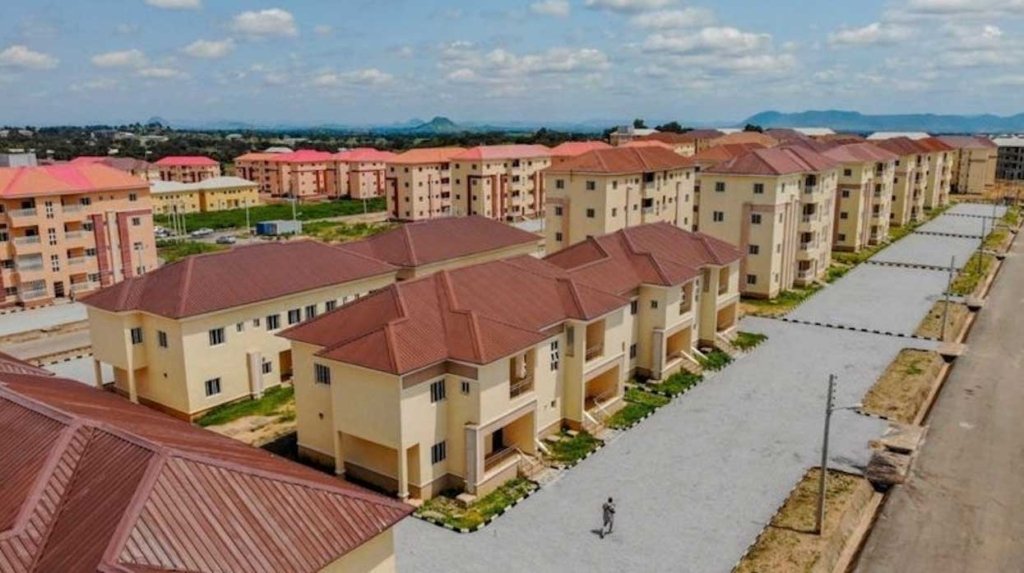
One of the most significant trends in 2024 was the acceleration of affordable housing projects driven by both public and private sectors.
🔧 Government Initiatives:
- The Affordable Housing Program (AHP) under the Ministry of Transport and Housing gained traction.
- Over 30,000 units were completed or under construction across Nairobi, Mombasa, Nakuru, and Kisumu.
- Partnerships with lenders like Kenya Mortgage Refinance Company (KMRC) made financing more accessible.
💼 Private Sector Involvement:
- Developers such as Buy Kenya, Kasha Properties , and Makao Homes rolled out mid-market housing schemes with flexible payment plans.
- These homes targeted young professionals, first-time buyers, and low-to-middle-income earners.
🚀 2. Rise of Proptech Startups
Technology continued to reshape how Kenyans buy, rent, and invest in property in 2024.
📱 Key Innovations:
- Digital property platforms like Jengo , Makao Homes , and Hustler Fund allowed users to search listings, book virtual tours, and make secure payments online.
- AI-powered valuation tools helped buyers and sellers determine fair property prices.
- Blockchain-based land registries were piloted to reduce fraud and speed up transactions.
💸 Investment Growth:
- Real estate startups raised over $10 million in venture capital funding during the year.
- Crowdfunding platforms enabled micro-investments in real estate starting from as little as KES 100 .

🌱 3. Green and Sustainable Development
Sustainability became a key focus for developers aiming to meet global standards and attract environmentally conscious buyers.
🌿 Emerging Practices:
- Use of prefabricated materials to reduce construction waste and time.
- Integration of solar energy , rainwater harvesting, and passive cooling systems.
- Eco-friendly master-planned estates like ZokiLand emphasized walkability, green spaces, and reduced carbon footprints.
🏆 Recognition:
- Several Kenyan developers won regional awards for sustainability at events like the East African Property Awards .
🏘️ 4. Growth of Satellite Towns and Suburbs
With urban congestion and high property prices in Nairobi, many buyers turned to peripheral towns for better value and quality of life.
🚗 Popular Growth Areas:
| Town | Key Features |
|---|---|
| Thika | Short commute via Superhighway, growing industrial base |
| Ruiru | Affordable housing, proximity to Nairobi CBD |
| Kitengela | Agricultural land turning into residential zones |
| Kikuyu | Historic town seeing modern residential development |
These areas saw increased demand for both land purchases and residential rentals .

🏢 5. Commercial Real Estate Revival
Despite the slow recovery of office occupancy post-pandemic, 2024 saw renewed interest in commercial real estate.
🔝 Highlights:
- Demand for flexible workspaces , co-working offices, and hybrid setups grew.
- Retail centers expanded in satellite towns to serve growing populations.
- Industrial parks near the Nairobi Expressway and Mombasa Port attracted logistics and manufacturing firms.
📊 Nairobi Office Vacancy Rate:
- Dropped to 18% in Q4 2024 (from 22% in 2023), signaling improved demand.

🏞️ 6. Land Investments Remain Strong
Land continues to be a preferred asset class among local and diaspora investors due to its appreciation potential and relative stability.
📈 Key Insights:
- Prices in prime locations like Karen , Lavington , and Muthaiga rose by 6–10% YoY .
- Peri-urban areas saw even higher growth (up to 15% ) due to urban sprawl.
- More buyers opted for off-plan land investments backed by developer guarantees.
🧑💼 7. Professionalization of Real Estate Careers
There was a noticeable shift toward professionalizing real estate careers in 2024.
🎓 Developments:
- Increased enrollment in courses offered by institutions like KIESV (Kenya Institute of Estate Surveyors and Valuers) and RICS (Royal Institution of Chartered Surveyors) .
- Rising number of certified agents and brokers.
- More structured training and mentorship programs launched by agencies and associations like REAK (Real Estate Association of Kenya) .
🧭 8. Regulatory Improvements and Digital Land Registries
Efforts to digitize land records gained momentum in 2024, reducing fraud and speeding up transactions.
🛠️ Key Reforms:
- Expansion of the e-Land Registration System by the National Land Commission.
- Introduction of blockchain pilots for title verification in select counties.
- Streamlined approval processes for subdivision and change of user rights.
These reforms aimed to improve transparency and investor confidence in Kenya’s real estate market.
❓Frequently Asked Questions (FAQ)
Q1: Is real estate still a good investment in Kenya?
A: Yes, especially in affordable housing, peri-urban land, and commercial properties in growing towns.
Q2: What is the average property price increase in Kenya in 2024?
A: Residential property prices increased by an average of 6–8% , while land values rose by 10–15% in high-demand areas.
Q3: Are there digital property platforms in Kenya?
A: Yes! Platforms like Makao Homes , Jengo , and ZokiLand offer digital property searches, virtual tours, and online payments.
Q4: How is the government supporting affordable housing?
A: Through the Affordable Housing Program , partnerships with banks, and subsidies for first-time buyers.
Q5: Can foreigners invest in real estate in Kenya?
A: Yes, though they cannot own land outright. Foreigners can lease land for up to 99 years or own buildings on leased land.
Q6: What are the best areas to invest in real estate in Kenya?
A: Nairobi suburbs like Thika , Ruiru , and Kitengela , as well as Mombasa , Kisumu , and Naivasha .